Swedish households are increasingly tracking tomorrow's spot electricity prices from the Nordic power exchange, Nord Pool. By knowing when electricity is cheapest, you can save thousands of kronor each year, especially if you own an electric vehicle or a heat pump.
However, adapting your electricity consumption does not mean staying up late to watch the washing machine. With modern electrical installations and smart home automation, the optimization process is handled completely automatically.
When Are Tomorrow's Electricity Prices Released?
On the Nord Pool power exchange, tomorrow's hourly spot prices are determined every day around 13:00 CET. The prices are calculated based on anticipated electricity generation (such as wind, hydro, and nuclear power) and forecast demand across the bidding zones (SE1 to SE4) for the following day.
If you have an hourly rate contract, 13:00 is the moment your smart home system or EV charger can automatically retrieve next-day pricing data and schedule your highest-consumption appliances accordingly.
Hourly Rate Contracts and Spot Prices, What Do They Mean?
To take advantage of intraday price variations, you need an hourly electricity contract with your energy supplier. Under a standard variable rate agreement, you pay an average flat rate calculated across the entire month. With an hourly rate contract, you pay the exact spot price for the specific hour during which electricity is consumed.
This means that when electricity rates plummet to low levels during the night, your billing reflects that immediate reduction. Conversely, consuming heavy electricity during morning or afternoon peak hours incurs higher rates.
How Modern Technology Reduces Your Electricity Bills
Keeping manual track of fluctuating hourly prices is impractical. Modern electrical upgrades enable seamless automation:
- Smart EV Chargers (Zaptec Go and Easee): Connected via Wi-Fi or 4G, your charging station schedules charging through an app so your EV only charges when spot rates are lowest.
- Smart Home Automation with Plejd and Wiser: Smart relays and controllers automate heat pumps, water heaters, and underfloor heating to preheat the home before peak morning rates hit.
- Dynamic Load Balancing: Intelligent power meters inside your electrical panel protect your main fuse from overloads while avoiding unnecessary peak power tariffs.
When Is Electricity Typically at Its Lowest?
Statistically, electricity prices drop to their lowest between 01:00 and 05:00 at night. Industrial plants and offices are closed and household activities are dormant, minimizing grid demand. On particularly windy nights when wind power output peaks, spot prices can even turn negative.
During the daytime, peak price periods typically occur between 07:00 and 09:00 in the morning and from 17:00 to 20:00 in the evening when households cook, heat, and return from commutes.
Frequently Asked Questions About Electricity Prices and Hourly Rates
What time of day is electricity cheapest?
Electricity is usually cheapest at night between 01:00 and 05:00 when grid demand is lowest, as well as during weekend afternoons. Shifting EV charging and water heating to these hours delivers substantial cost savings.
Do I need a smart EV charger to charge during off-peak hours?
Yes, using an advanced smart charger such as the Zaptec Go allows you to activate eco-mode in the app. The charger fetches spot prices automatically from Nord Pool and charges your vehicle during the most cost-effective hours.
Why are tomorrow's electricity prices published around 13:00?
Nord Pool closes its day-ahead auction at midday and computes market equilibrium prices across all participant bids. The final hourly rates are officially announced at approximately 13:00 daily.
Do I need to replace my electricity meter to switch to hourly pricing?
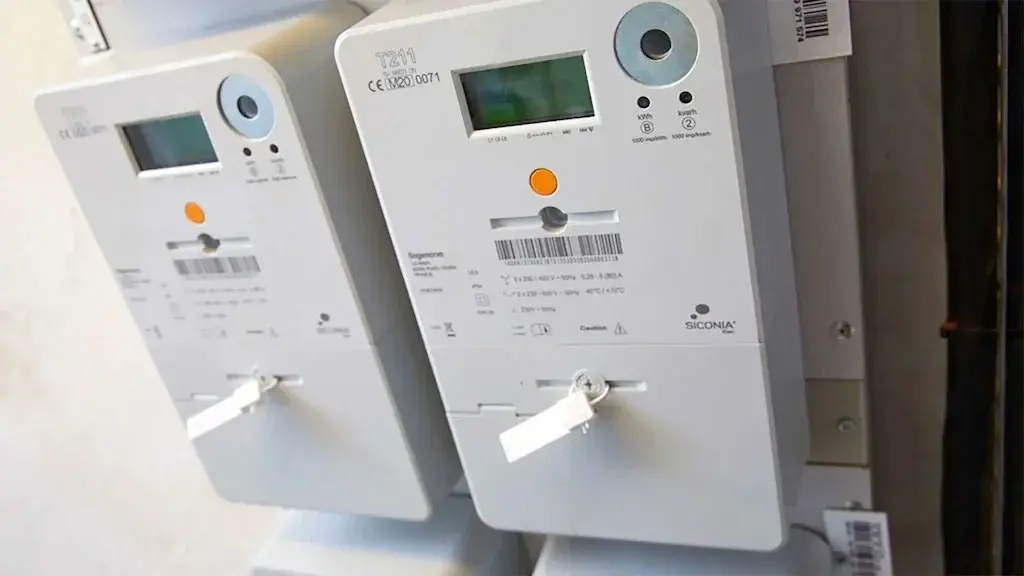
Almost all Swedish residences are already equipped with smart electricity meters. Once you sign an hourly rate agreement, your grid operator remotely enables hourly reporting without any physical meter replacement required.