
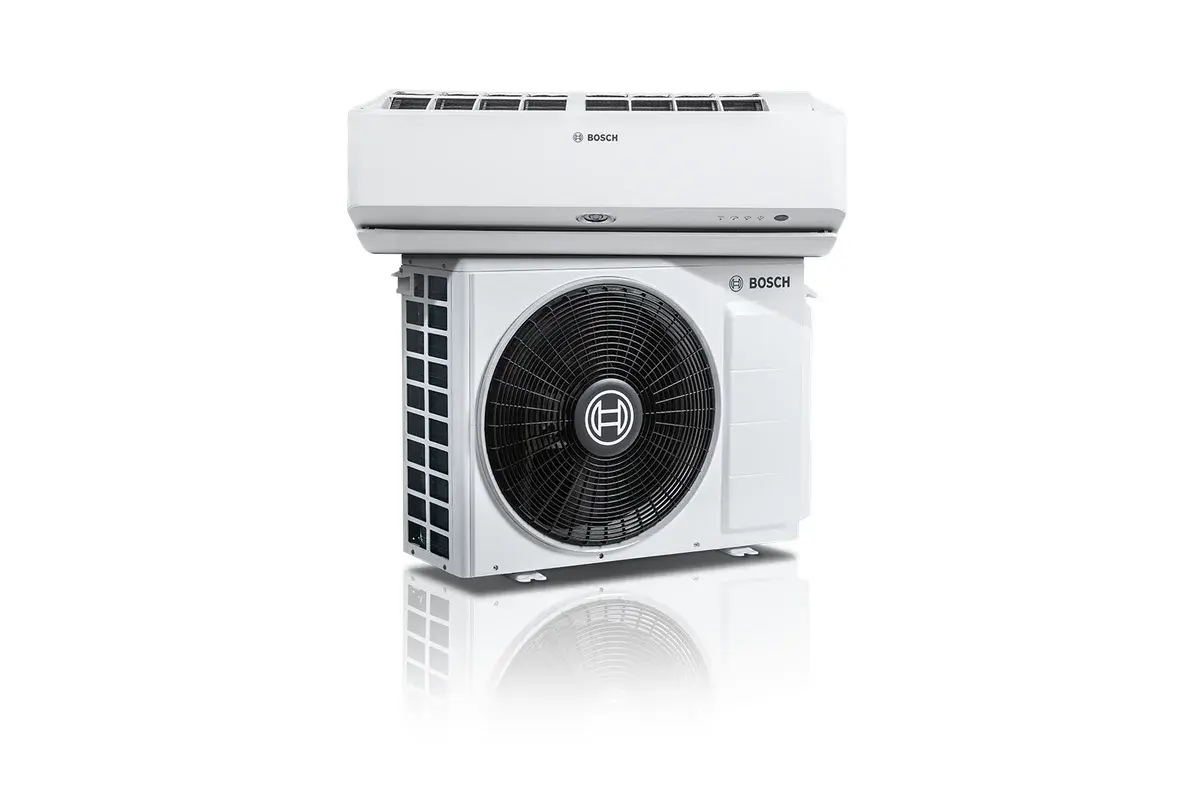
Space heating and hot water account for the largest proportion of electricity consumption in Swedish homes, typically representing between 60% and 75% of total household energy expenses.
A common misconception is that heat pumps consume excessive electricity. In reality, replacing direct electric baseboards with a modern heat pump can reduce heating costs by up to 70%. But how much power do different heat pump systems actually consume?
Understanding SCOP and Energy Efficiency
A heat pump's seasonal efficiency is measured by its SCOP (Seasonal Coefficient of Performance) rating, representing the average heat produced per unit of electricity over an entire heating season.
If a heat pump achieves a SCOP rating of 4.0, it generates 4 kWh of thermal energy for every 1 kWh of electricity consumed. A higher SCOP directly lowers your operating costs.
Annual Electricity Usage Across Heat Pump Types
Exact power consumption depends on house square footage, insulation, climate zone, and desired indoor temperature. Typical reference values for a 150-square-meter home in Sweden:
| Heat Pump Type | Typical Annual Electricity | Thermal Energy Generated | Best Suited For |
|---|---|---|---|
| Air-to-Air Heat Pump | 4,000 to 6,000 kWh | 12,000 to 20,000 kWh | Smaller homes, open-plan layouts, supplementary heating |
| Air-to-Water Heat Pump | 5,500 to 8,500 kWh | 20,000 to 28,000 kWh | Homes with hydronic radiators or underfloor heating |
| Geothermal (Ground Source) | 4,500 to 7,500 kWh | 20,000 to 30,000 kWh | Larger houses, cold climates, maximum durability |
1. Air-to-Air Heat Pump: Affordable Investment and Rapid Payback
Draws ambient heat from outdoor air and circulates warmth via an indoor blower. It does not heat domestic hot water, but is the most cost-effective option to install and significantly reduces power bills in homes with electric heaters.
2. Air-to-Water Heat Pump: Complete Hydronic System
Transfers outdoor thermal energy into the home's water-based heating and domestic hot water systems. Efficiency remains high during mild periods, though supplemental electric heating elements may engage when temperatures drop below -15°C.
3. Geothermal Heat Pump: Maximum Year-Round Efficiency
Extracts ground heat via boreholes drilled 100 to 250 meters deep into bedrock. Ground temperatures remain constant throughout the seasons, allowing geothermal systems to maintain superior efficiency even during severe winter cold snaps.
Annual Running Costs and Potential Savings
Assuming an average Swedish electricity rate of 1.50 SEK per kWh (inclusive of spot price, grid charges, and energy taxes):
- Direct Electric Heating (No Heat Pump): 20,000 kWh costs approx. 30,000 SEK per year.
- With Air-to-Air Heat Pump: Total usage drops to approx. 11,000 kWh, costing approx. 16,500 SEK annually.
- With Geothermal or Air-to-Water: Total usage drops to approx. 6,000 kWh, costing approx. 9,000 SEK annually.
Homeowners frequently save between 13,000 and 21,000 SEK every year.
How to Optimize Heat Pump Power Consumption
Proper maintenance and modern electrical controls unlock further savings:
- Hourly Contracts and Smart Scheduling: Connecting your heat pump to smart thermostats (like Ngenic Tune) allows the unit to run during low-rate nighttime hours.
- Clean Filters Periodically: Clogged air filters in the indoor unit restrict airflow and increase electricity draw by 5% to 10%.
- Keep Outdoor Units Unobstructed: Prevent accumulation of snow, ice, and fallen leaves around outdoor fan units.
- Calibrate Heating Curves: An improperly tuned heating curve activates auxiliary electric heating immersion heaters unnecessarily.
Frequently Asked Questions About Heat Pump Electricity Usage
Do heat pumps use a lot of power in freezing temperatures?
When outdoor temperatures fall below -10°C, air-source units work harder, and auxiliary electric heating elements may trigger. Geothermal systems are far less susceptible because bedrock temperatures remain stable year-round.
Can I combine a heat pump with solar panels?
Yes, although solar arrays generate the majority of their output during the summer while heating demands peak in winter. Solar power is nevertheless effective for hot water production and summer air conditioning.
What fuse rating is required for a heat pump?
Most residential heat pumps require a three-phase connection protected by 16A to 20A main fuses depending on compressor sizing.
Want to Optimize Heating and Electrical Systems in Stockholm?
Smista Elinstallation assists residential and commercial property owners across Stockholm with heat pump power installations, smart energy optimization, and electrical upgrades.
Contact Smista Elinstallation today for professional electrical consulting.