Summer is the peak season for gardening, planting bushes, paving patios, and building decks. At the same time, many homeowners take the opportunity to renovate or move heavy furniture indoors. Unfortunately, it is during these projects that accidents most often happen. A single careless shovel strike in the lawn or a pinched fiber cable behind a baseboard is enough to disconnect your home's internet instantly.
Because outdoor fiber cables are often laid very shallowly, sometimes only 10 to 20 centimeters beneath the lawn up to the foundation, they are extremely vulnerable during yard work.
Severed Fiber Cable During Gardening and Excavation
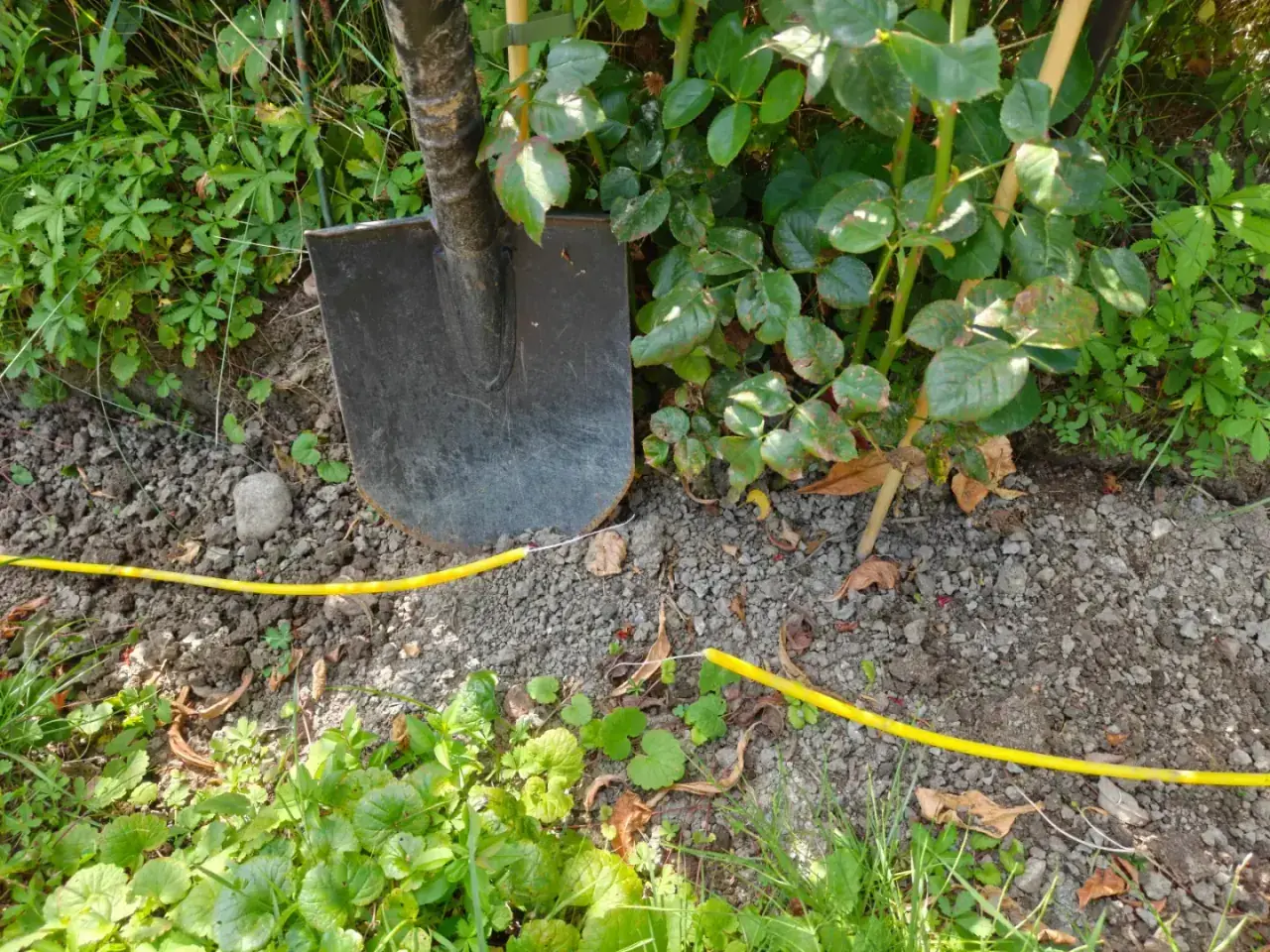
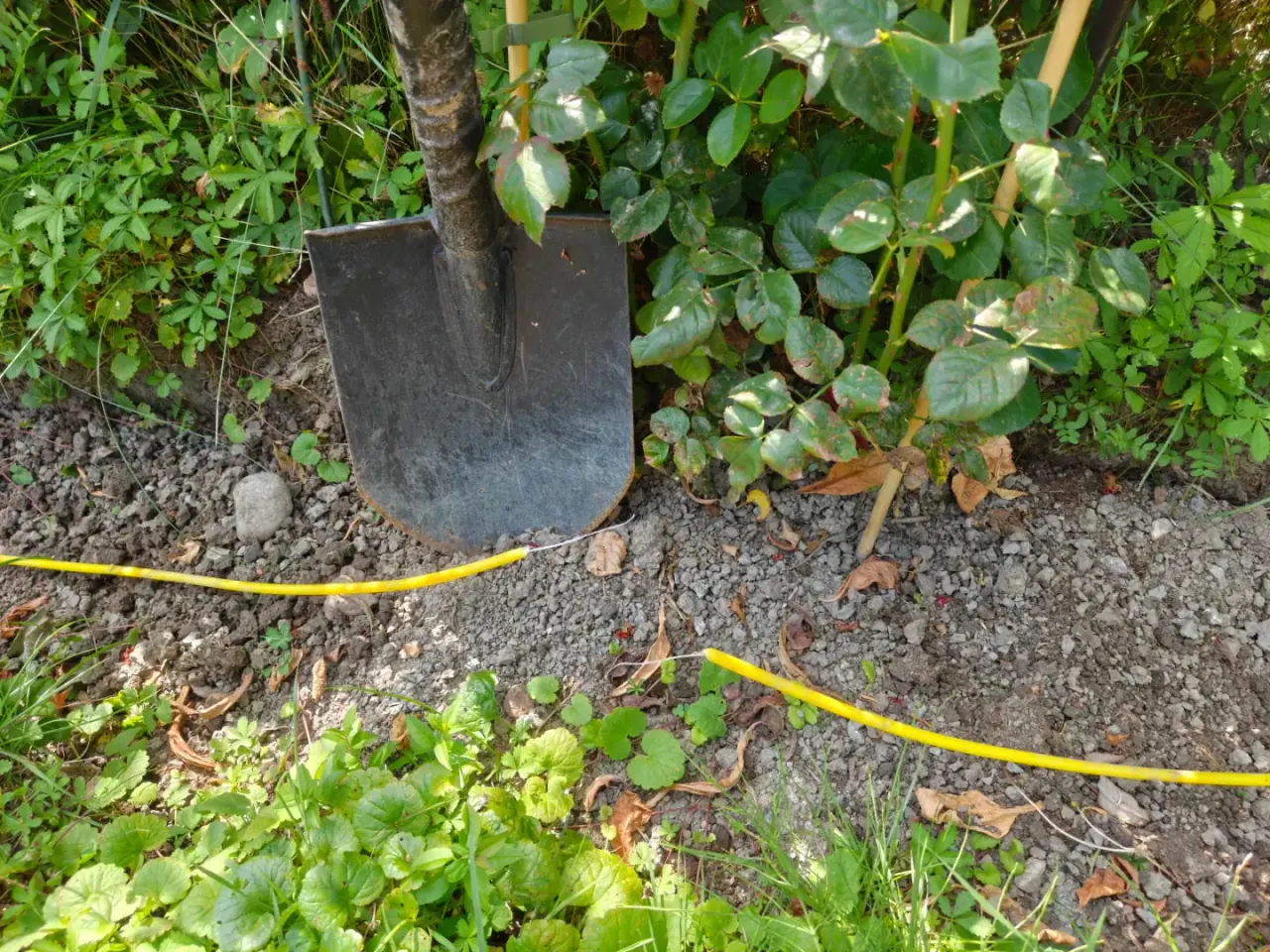
When digging in the garden to plant trees, lay out new flower beds, or dig posts, it is easy to strike the thin fiber optic cable. Many incorrectly assume the cable is buried deep underground, but near the house facade it is often installed near the surface.
When the shovel cuts through the protective conduit, the delicate glass core snaps immediately. Unlike standard electrical wiring, you cannot connect fiber optics with regular terminal blocks or electrical tape. The glass fiber inside must be stripped, cleaned, and fused together with micrometer precision using an optical fusion splicer.
Damaged or Pinched Fiber Indoors During Renovation and Moving
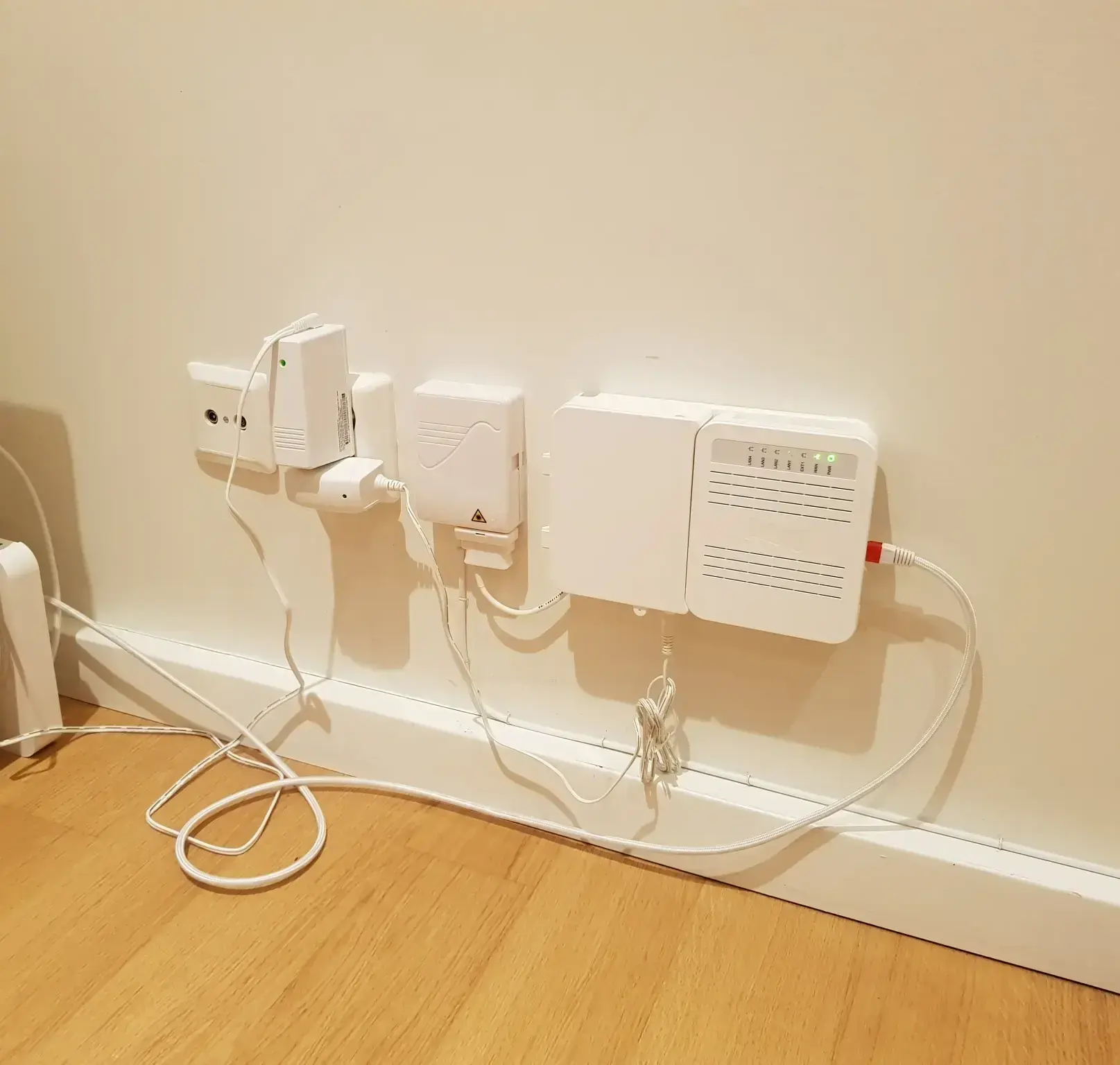
Fiber damage also occurs indoors more often than expected. During painting, replacing baseboards, drilling into walls, or moving heavy cabinets and sofas, the thin fiber cable or patch cable between the wall outlet and media converter can be bent too tightly or crushed.
The glass core inside the cable is only about 125 micrometers thick, comparable to a human hair. If the cable is bent sharply, microcracks form in the glass, degrading or completely cutting off the light signal.
How Professional Fiber Splicing and Repair Works
When a fiber cable breaks, specialized equipment and certified expertise are required for professional repair of damaged fiber cable to restore the network connection:
- OTDR Measurement: First, the optical link is measured using an OTDR device to pinpoint the exact location of the break down to the meter.
- Exposure and Cleaning: The cable is carefully stripped back, and the glass core is cleaned thoroughly of dust and dirt using pure alcohol.
- Precision Cleaving: The glass fiber is cleaved with a diamond cleaver to ensure a perfectly flat 90-degree end face.
- Arc Fusion Splicing: The fiber ends are placed into an automatic fusion splicer, which aligns the cores using internal cameras and fuses them together with an electric arc.
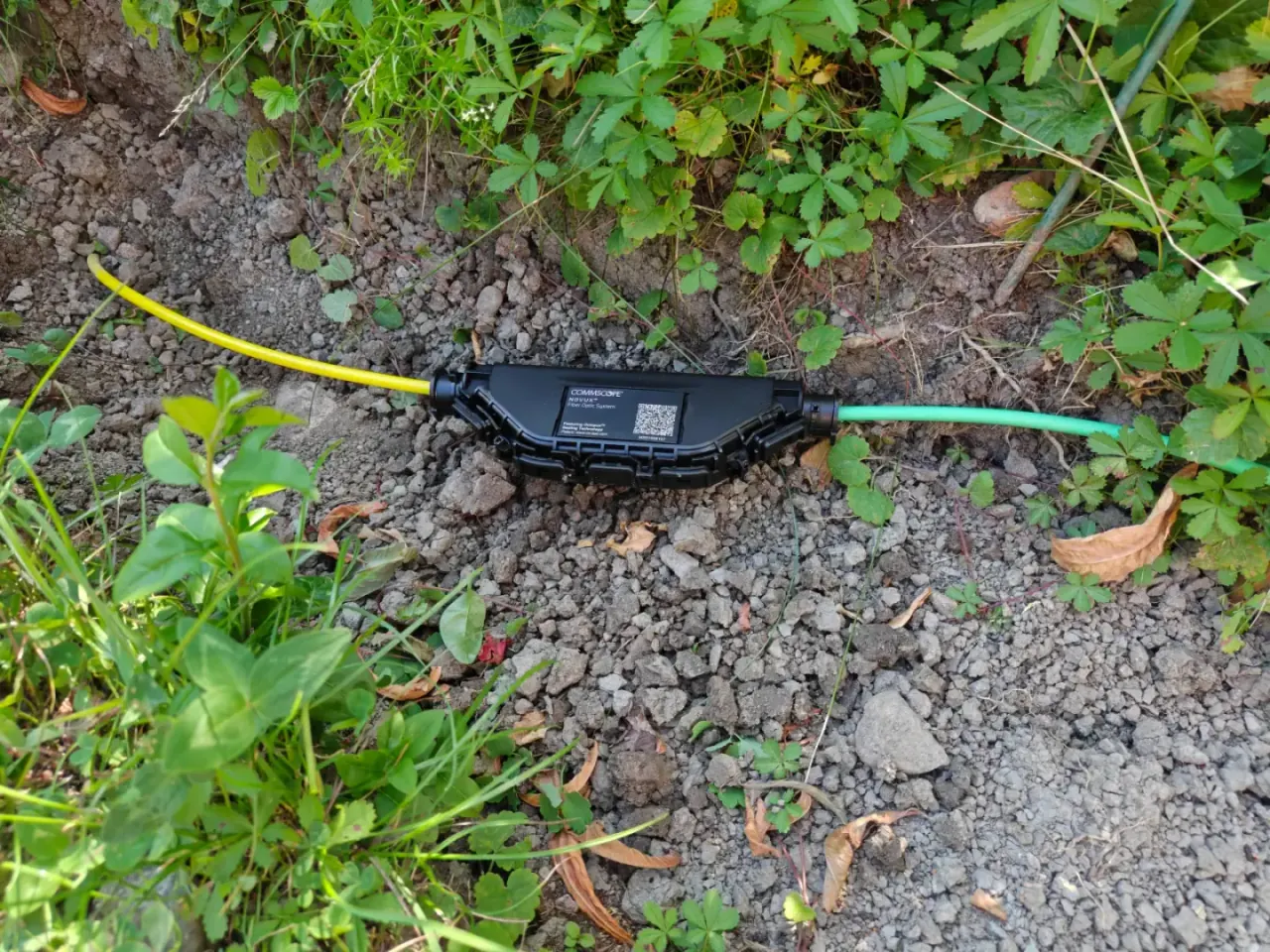
- Weatherproof Splice Box: Outdoors, the new splice is protected inside a waterproof, heavy-duty splice box buried securely in the ground.
What Should You Do If Your Fiber Cable Breaks?
- Stop Digging Immediately: Cease work in the area right away to prevent further pulling or damaging the cable in additional places.
- Do Not Touch Cable Ends: Avoid handling the cut fiber end with bare hands, as invisible glass splinters can cause skin irritation.
- Contact Smista Elinstallation: Get in touch with us directly. We have our own OTDR equipment and fusion splicer on hand, and we always prioritize urgent fiber repairs so you can get your connection back as quickly as possible.
Need Emergency Help with a Cut or Damaged Fiber Cable?
Smista Elinstallation provides rapid assistance for fiber repair and fusion splicing in Stockholm. We offer professional fault location, OTDR testing, and fiber fusion splicing throughout Greater Stockholm. Contact us for a quote or call us directly for priority service.
Need Help with Diagnostics, OTDR Testing, or Fiber Repair?
Whether your fiber cable is severed in the yard, pinched indoors, or experiencing signal loss, Smista Elinstallation is here to help. We inspect the line using calibrated OTDR instruments, pinpoint the exact break location, and fusion splice your cable with micrometer precision.
Smista Elinstallation • Certified installer • Active across Greater Stockholm