Most EV buyers think about range, color, and interior space — but home charging is the single most important practical question. An incorrectly dimensioned installation can lead to slow charging or blown fuses. Prepare yourself properly with this checklist.
7-Step Checklist Before Charging an EV at Home
1. Check the Number of Phases (1-Phase vs. 3-Phase)
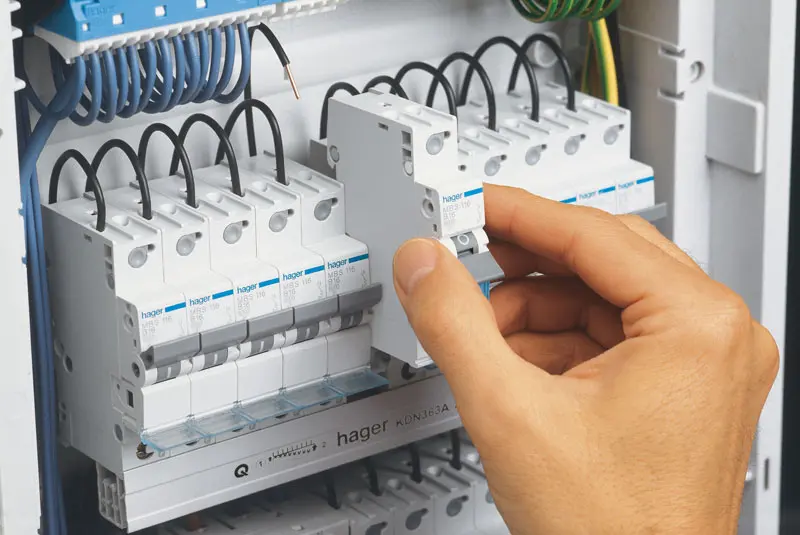
Open your fuse box cover and check the main fuses:
- 1-Phase: Max approx. 3.7 kW (16A) charging (approx. 15–20 km range per hour).
- 3-Phase: 11–22 kW charging (approx. 60–100 km range per hour).
Most EVs (like Tesla Model 3, VW ID.4, Volvo EX30) accept a max of 11 kW AC charging internally. 3-phase 11 kW covers the needs for almost all homeowner households.
2. Check the Main Fuse Size
| Fuse | Max Power (3-Phase) | Enough for EV Charger? |
|---|---|---|
| 16A | ~11 kW | Yes, but requires load balancing |
| 20A | ~13.8 kW | Yes, with solid margin |
| 25A | ~17.3 kW | Yes — recommended minimum |
| 32A+ | ~22 kW | Excellent |
With 16A and parallel operation of stove, heat pump, and EV charger, load balancing is required to prevent the main fuse from tripping.
3. Do You Have an RCD?
EV chargers require approved ground fault protection according to electrical safety regulations (SS 436 40 00). Modern chargers have built-in electronic DC protection (6 mA DC), and during installation we always fit a dedicated RCBO (PSA) for the EV charger circuit in the fuse box for maximum safety and selectivity.
4. Plan the Placement of the EV Charger
| Location | Pros | Cons | Wiring |
|---|---|---|---|
| Garage (Indoors) | Protected, clean look | — | Simple |
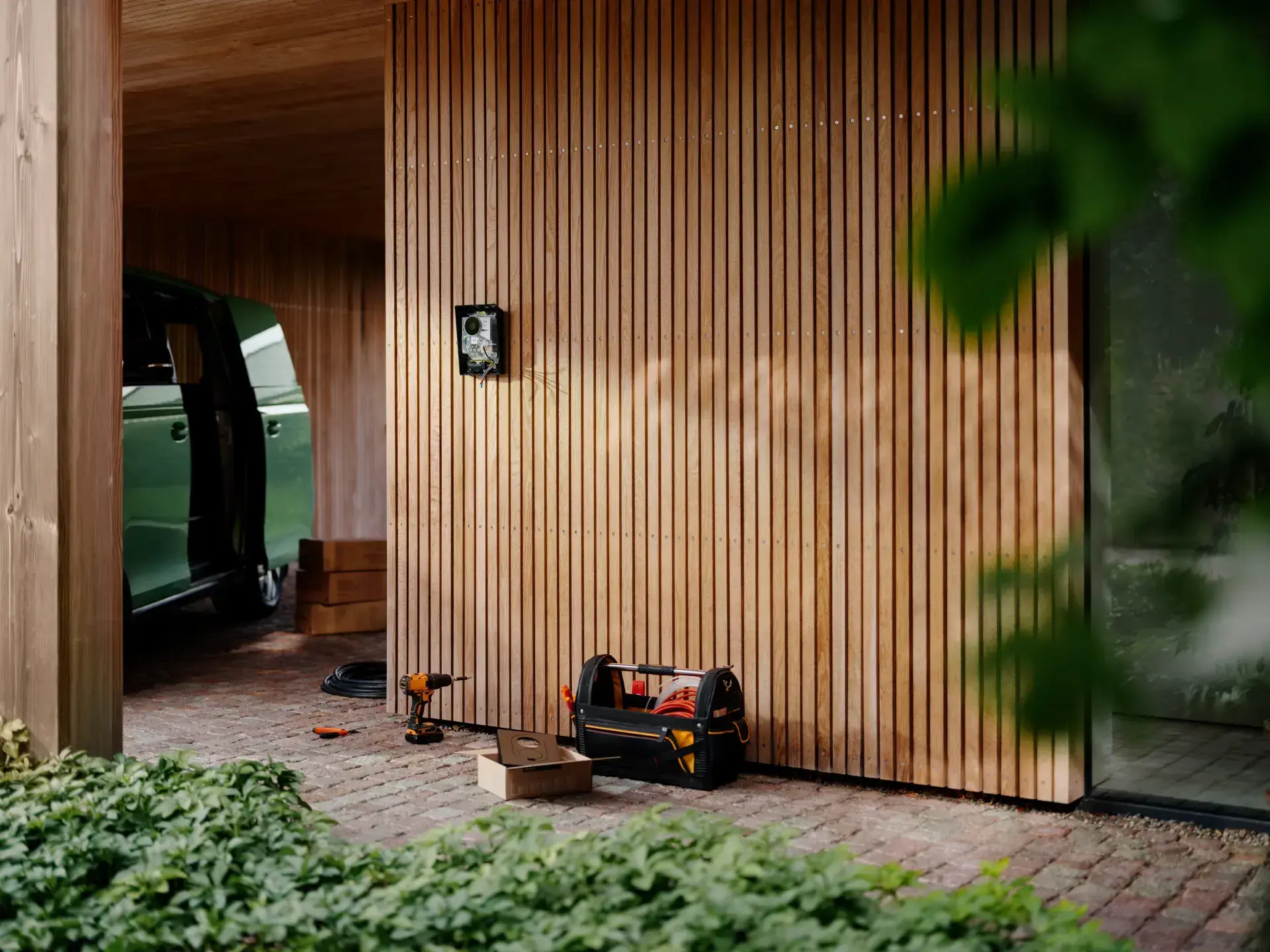
| Outdoors on Facade | Close to car | Exposed to weather | IP54 requirement |
| Carport | Combination | Roof needed for mounting | Along roof beams |
| Parking spot (further away) | — | Long cable tray | Higher cost |
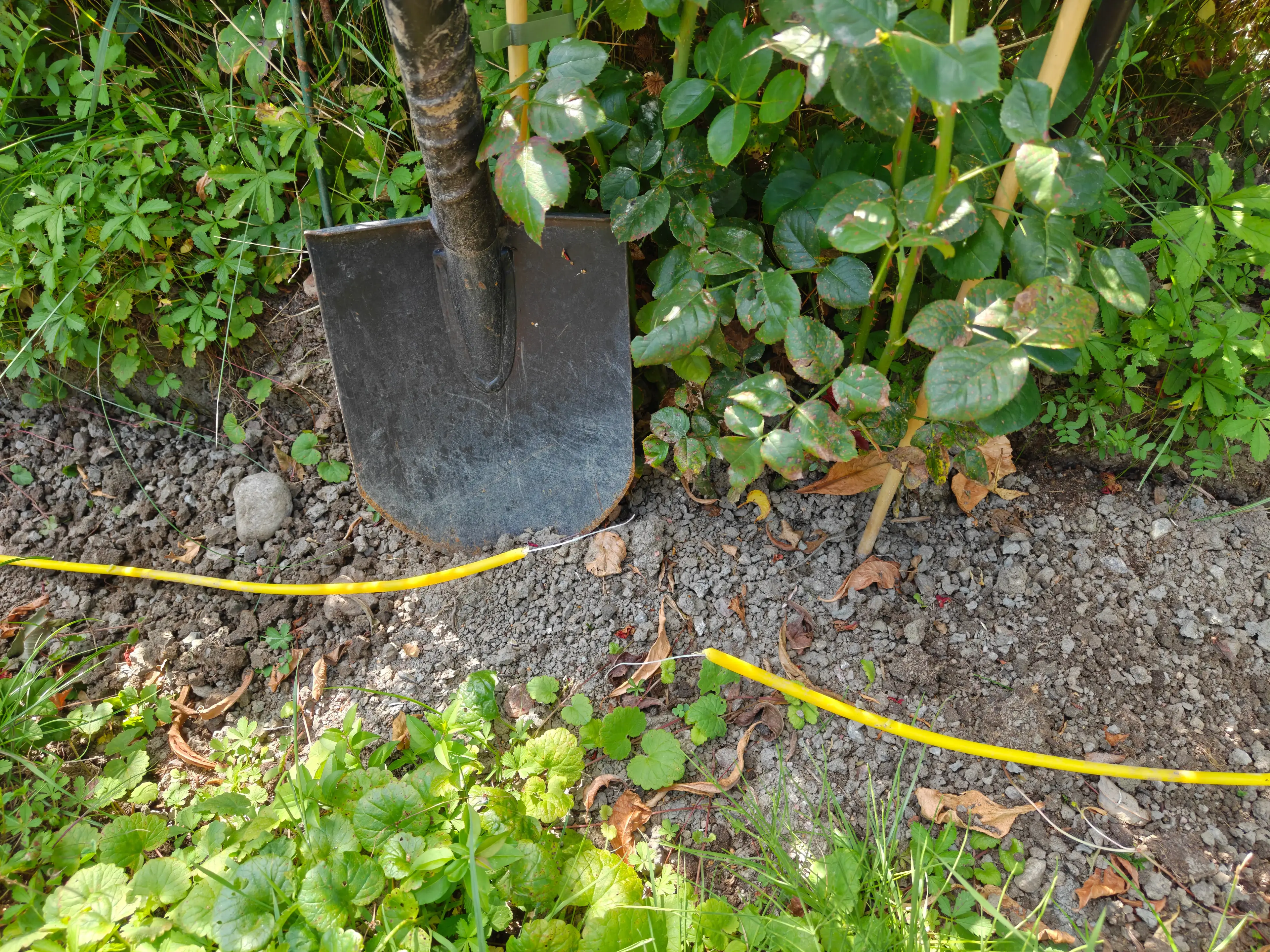
Measure the distance from the fuse box to the desired charger location — every extra meter of cable tray adds cost. It often pays to choose a spot close to the fuse box.
5. Need a 3-Phase Upgrade?
If you currently have 1-phase and want to charge faster than 3.7 kW, or if your installation is already heavily loaded by stove and heat pump, you will need to upgrade to 3-phase. Read more in our guide on upgrading to 3-phase in a villa.
6. Choose the Right EV Charger
| Model | Power | Load Balancing | Green Tech |
|---|---|---|---|
| Zaptec Go | 7.4–22 kW | Zaptec Sense (addon) | ✅ |
| Zaptec Go 2 | 7.4–22 kW | Zaptec Sense (addon) | ✅ |
| Easee Charge Max | 7.4–22 kW | Easee Equalizer (addon) | ✅ |
| Easee Charge Up | 7.4–22 kW | Easee Equalizer (addon) | ✅ |
| Charge Amps Aura | 2x22 kW | Amp Guard (addon) | ✅ |
| Witty One | 11 kW | Built-in / Addon | ✅ |
7. Open the HAN Port on Your Electricity Meter
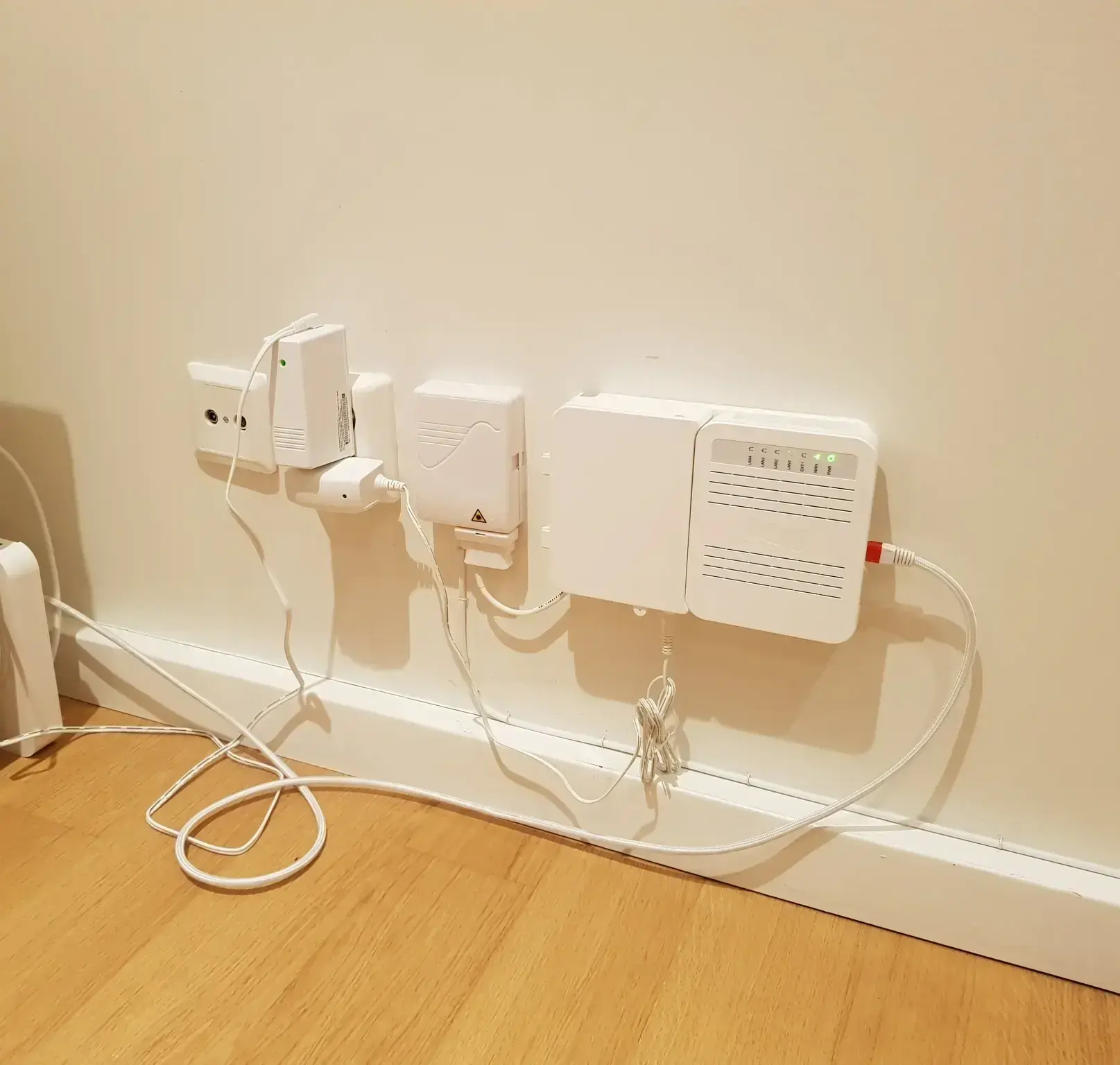
For a dynamic load balancer (e.g. Easee Equalizer or Zaptec Sense) to read your home's power consumption in real-time and adapt charging, the HAN port (P1/RJ12 port) on your smart electricity meter must be activated.
- Contact your grid company: Log in to your grid operator's portal (e.g. Ellevio, Vattenfall, E.ON) or call customer service to request opening the HAN port.
- Do it in advance: We recommend requesting activation well before installation day so real-time communication can be verified during testing.
Common Mistakes to Avoid
❌ Ordering the charger before consultation: Some chargers and properties have specific conditions. Consult the electrician first to ensure you get the right hardware and load balancing from the start.
❌ Charging regularly from a standard wall outlet (Schuko): Standard wall outlets are not built for continuous high load over many hours, posing a real fire risk. Always use a dedicated EV charger for daily charging.
❌ Buying the charging cable separately afterwards: Ordering an extra cable together with the installation qualifies it for the 50% Green Tech tax deduction. If bought separately later, the deduction does not apply.
Frequently Asked Questions
How long does it take to charge an EV with 11 kW?
A car with a standard battery size of ~75 kWh (like VW ID.4) charges 0→100% in approx. 7 hours. Charging overnight means a full battery every morning.
Can I charge from a standard Schuko outlet?
As an emergency backup for occasional use, it works (~2.3 kW), but safety authorities strongly advise against it for daily home charging due to fire risks.
Need help with this?
Get a free quote from our certified electricians. We usually respond within 48 hours.
Free QuoteWant a Turnkey Solution?
We handle the entire process: fuse box inspection, cable routing, EV charger mounting, load balancing, and Green Technology deduction directly on the invoice. Book a free home visit today.