As EV charging, air source heat pumps, and induction cooktops have been installed in Swedish homes, relying solely on single-phase circuits for larger appliances is no longer sufficient. Most Swedish villas already have three-phase power routed from the grid to the main electrical panel, but to power modern energy-demanding appliances, three-phase often needs to be routed further to specific outlets and equipment. Here is everything you need to know.
What is the difference between single-phase and three-phase?
| Feature | Single-phase (1-phase) | Three-phase (3-phase) |
|---|---|---|
| Voltage | 230 V | 400 V (phase-to-phase) |
| Max power (16A fuse) | ~3.7 kW | ~11 kW |
| Max power (25A fuse) | ~5.8 kW | ~17.3 kW |
| Max power (32A fuse) | ~7.4 kW | ~22 kW |
| EV Charger (11 kW) | Requires 32A, can hardly run in parallel | Standard installation |
| Induction cooktop (7 kW) | Uses 30A, little left for others | Takes one phase per zone group |
Single-phase is sufficient for a normal household with an electric stove, tumble dryer, and lighting. However, it is NOT sufficient for a household that simultaneously charges an EV, heats the house, and cooks food without tripping the main fuse.
When do you need to extend three-phase power?
You need to install new three-phase circuit breakers and run cables if you plan to install:
- EV Charger 11 kW or 22 kW — all modern chargers utilize three-phase for efficient charging
- Air source or geothermal heat pump with high power (over 5 kW)
- Induction cooktop where you need to distribute the load evenly across the electrical panel
- Solar panel inverter over 5 kW (most are three-phase)
- Home battery (most modern energy storage systems are three-phase)
The process when extending three-phase from the electrical panel
Since three-phase is typically already routed from the grid to the property's meter and panel, the installation usually follows these steps:
Step 1: Inspection of electrical panel and capacity
The electrician verifies that your electrical panel has space and that phase load in the house is balanced.
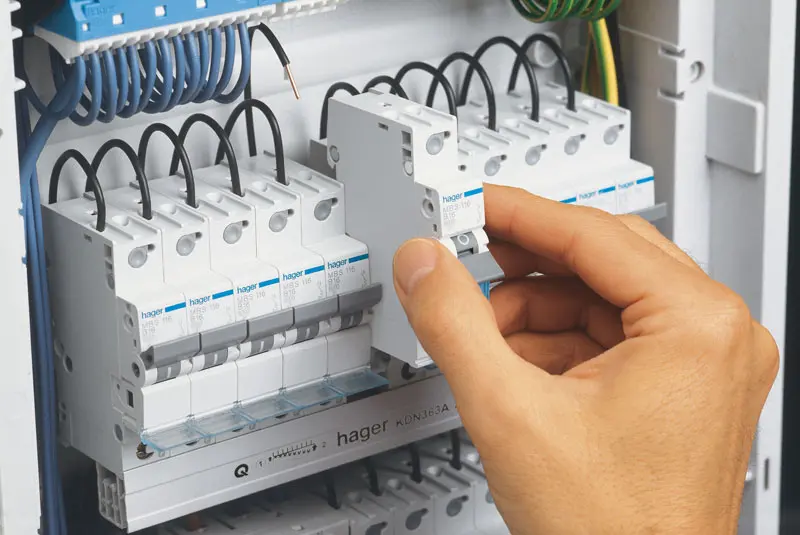
Step 2: Installation of three-phase breaker and RCD
We install new three-phase miniature circuit breakers and residual current devices in the panel tailored to the appliance.
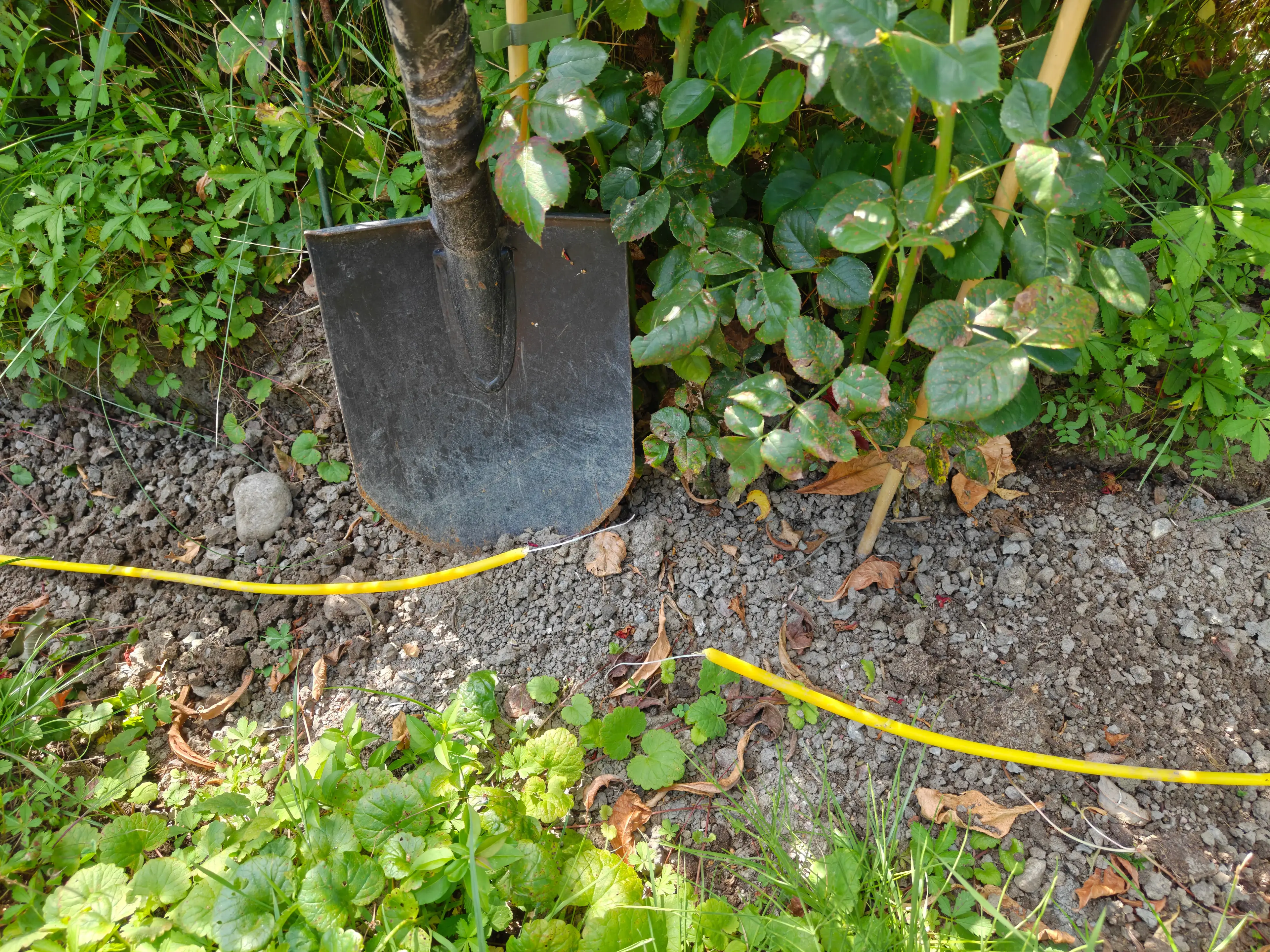
Step 3: Cable routing to appliance or outlet
Three-phase cable is routed from the electrical panel to the EV charger, heat pump, or stove.
Step 4: Connection and testing
The appliance is connected and compulsory safety measurements are performed to ensure a secure installation.
What if three-phase is completely missing from the electrical panel?
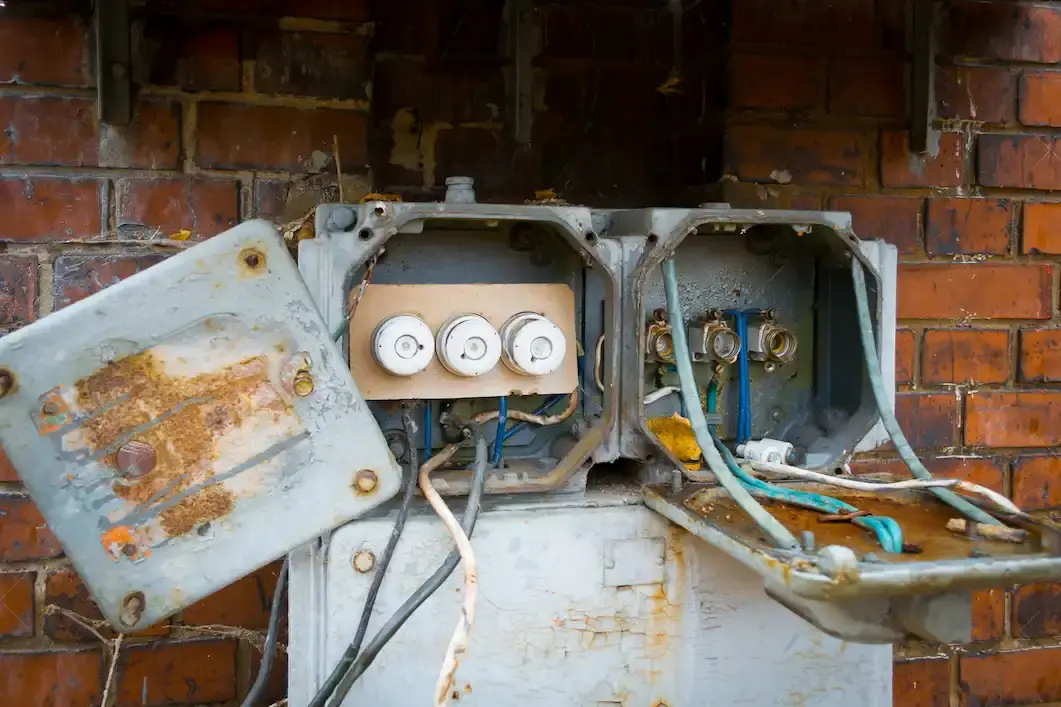
In certain older properties or summer houses, the grid company may have only supplied a single phase to the meter. In these rare cases, a pre-notification to your electricity grid company (such as Ellevio, Vattenfall Elnät, or E.ON) is required for upgrading the incoming service line.
Frequently Asked Questions about Three-Phase
Can I charge the EV with single-phase? Yes, but charging will be limited and take significantly longer. With three-phase, you charge at 11 kW (approx. 65 km range per hour), which covers most needs.
Does operating electricity cost more with three-phase? No. You only pay for the energy you consume (kWh) regardless of how many phases are used. Distributing the load across three phases also reduces the risk of needing a larger main fuse.
Can I get three-phase routed in an apartment? Yes, if the building has three-phase routed to the panel or riser. Contact your tenant-owner association (BRF) or landlord to confirm property conditions.
Need help with this?
Get a free quote from our certified electricians. We usually respond within 48 hours.
Free QuoteDo you need three-phase for your equipment?
We at Smista Elinstallation help you with professional cable routing and installation of three-phase circuits from your electrical panel. Contact us for advice and booking.