A tripping residual-current device (RCD) is a good sign because it has done exactly what it should by detecting an electrical leakage and protecting you. But being without electricity in parts of the house is frustrating. Here is our complete troubleshooting guide that you can follow step by step without risking your safety.
Why does the RCD trip?
An RCD compares the current going out in the phase with the current coming back via the neutral wire. If the difference exceeds 30 mA, which is a sign that the current is taking another path such as via water or a person to ground, it cuts the power in under 40 milliseconds.
The most common causes are:
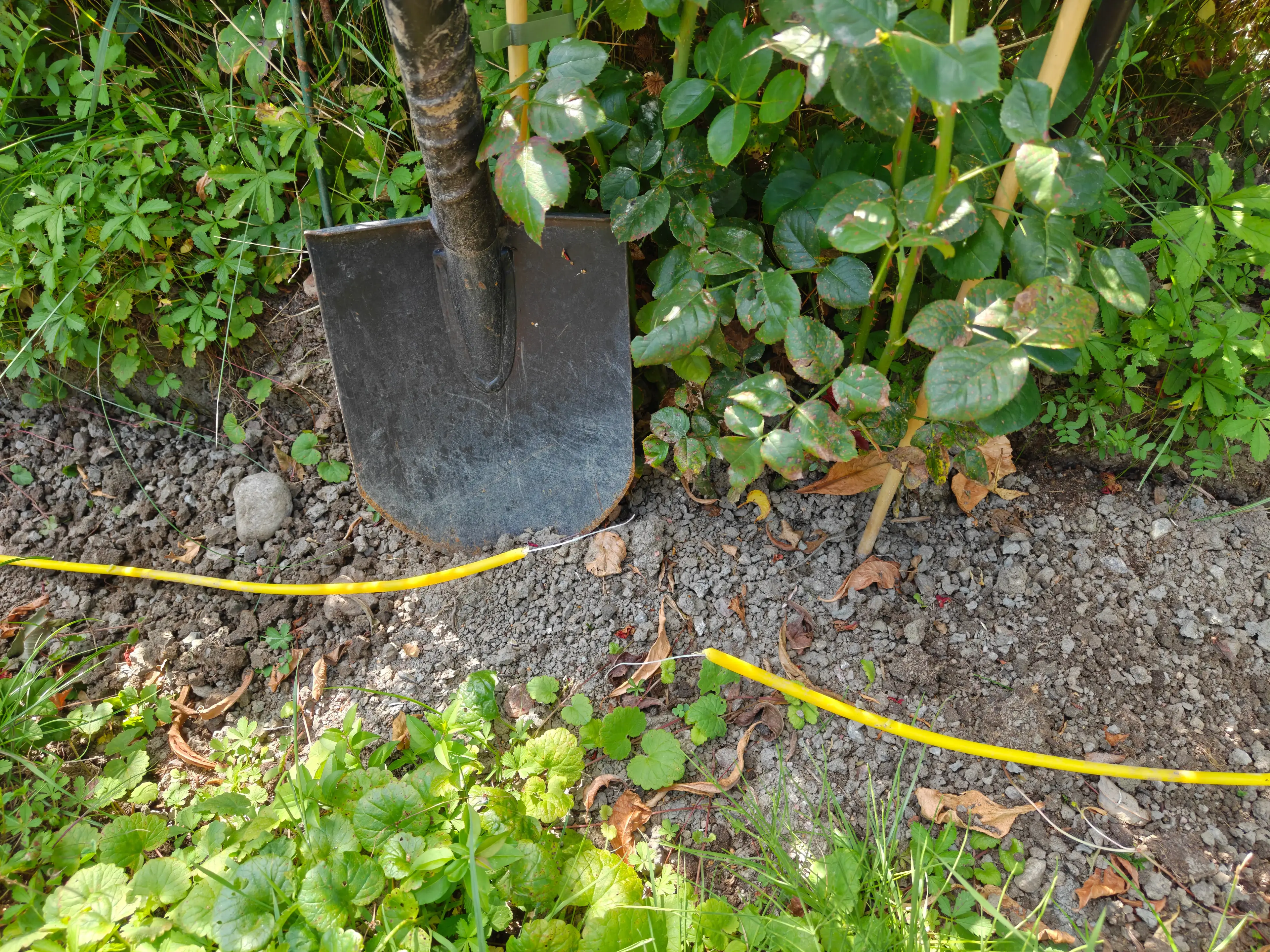
- Moisture or water in outdoor lighting, facade outlets, or cables
- A broken coffee maker, vacuum cleaner, or other appliance with damaged insulation
- Underfloor heating with a damaged heating cable
- Older outlets with a cracked interior
Step-by-step troubleshooting to isolate the fault
Follow this method in order. You don't need any tools.
Step 1, Turn off all circuit breakers
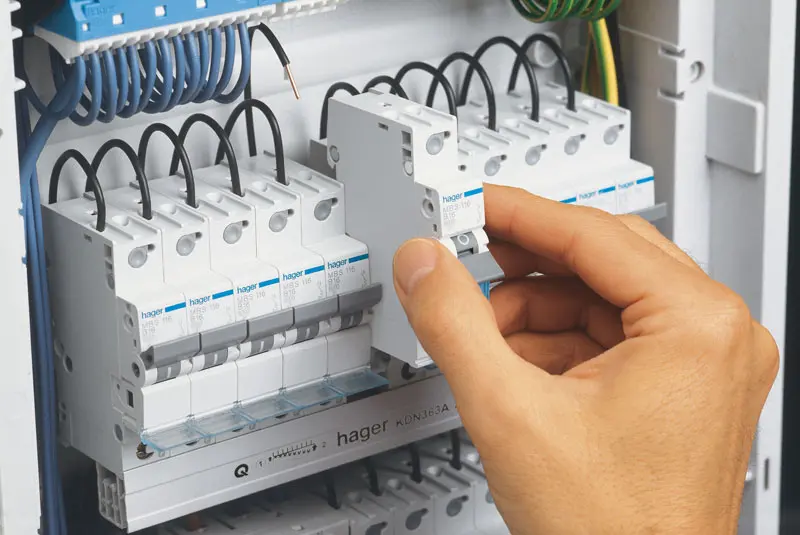
Go to the electrical panel and flip down all miniature circuit breakers. If you have old plug fuses, unscrew them. Now all circuits in the house should be de-energized.
Step 2, Reset the RCD
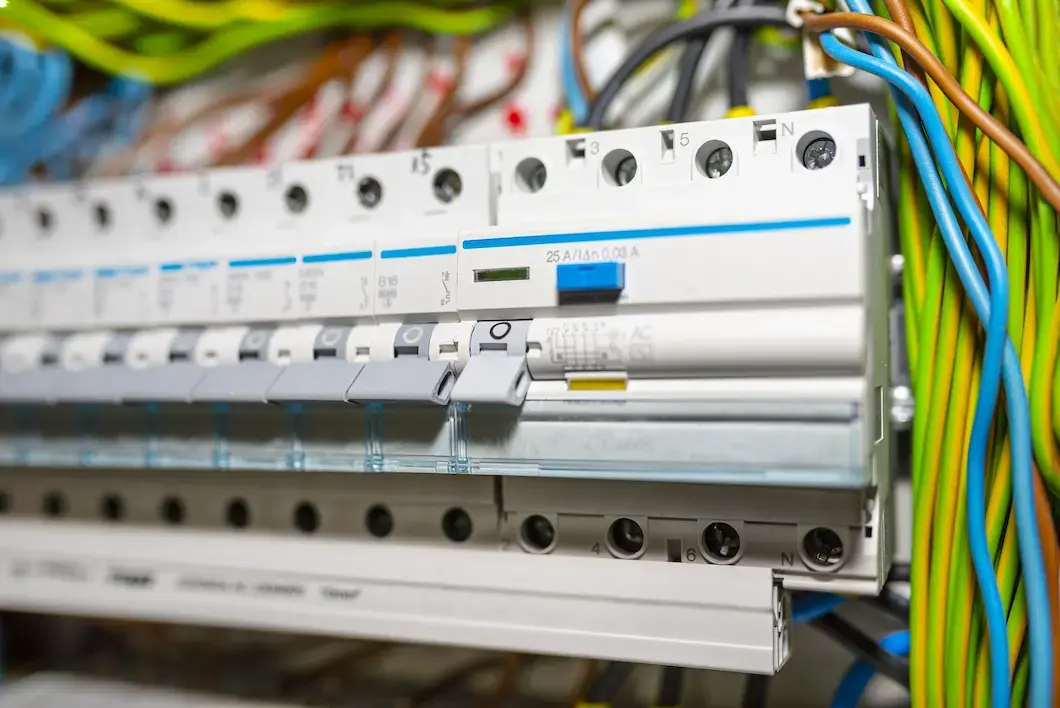
Flip up the RCD switch.
If it stays up, the fault is in a specific circuit or appliance. Proceed to step 3.
If it trips immediately again even though all breakers are down, the fault is in the electrical panel, on the neutral busbar, or before the RCD. Call an electrician immediately as this requires licensed work.
Step 3, Turn on the breakers one by one
Flip up one circuit breaker at a time and wait 5 seconds.
If the RCD holds, that group is likely okay, so move to the next.
If the RCD trips, you have found the faulty group. Leave that breaker down.
Step 4, Unplug all devices on the faulty group
With the faulty group identified, turn that breaker off again and unplug all devices from all outlets belonging to the group.
Step 5, Turn on the RCD and the faulty group
Now the RCD should stay up. Plug in the appliances one by one until the RCD trips. The appliance just plugged in is faulty and should be discarded or repaired.
Step 6, If no fault is found among the appliances
If you have unplugged everything and the RCD still trips when the breaker is turned on, the fault is likely in a fixed outlet, in the wall wiring, or in a fixed installation such as outdoor lighting or underfloor heating. Call an electrician.
Quick decision guide:
| Situation | What do you do? |
|---|---|
| RCD trips on a group, appliances are okay | Call electrician as it is a fixed fault in the wall or installation |
| RCD trips when plugging in an appliance | Discard or repair the appliance |
| RCD trips directly even though all breakers are down | Call electrician immediately |
| RCD trips only during rain | Moisture in outdoor installation, call electrician |
| RCD trips sporadically or once a month | Leakage current, requires megger measurement by an electrician |
Frequently Asked Questions about RCDs:
How often should you test the RCD?
The Swedish National Electrical Safety Board recommends testing the RCD every three months. Press the test button (the T button) on the RCD — the power should cut immediately. If nothing happens, the RCD is defective and must be replaced.
Can you bypass the RCD temporarily?
No. It is directly life-threatening and violates the Electrical Safety Board's regulations (ELSÄK-FS). Never do it.
What does it cost to replace an RCD?
Materials: 300–800 SEK depending on type (AC, A, B). Labor: 1–2 hours electrician. Total approx. 2,000–4,000 SEK, of which the ROT deduction applies to the labor cost.
What is the difference between RCD type AC, A, and B?
- Type AC: Standard, detects sinusoidal AC residual currents. Sufficient for most normal homes.
- Type A: Also detects pulsating DC residual currents. Required for EV chargers and heat pumps.
- Type B: Detects all types of residual currents including smooth DC. Required in certain EV charger installations.
Need help with this?
Get a free quote from our certified electricians. We usually respond within 48 hours.
Free QuoteCan't find the fault?
Smista El troubleshoots electrical installations throughout Greater Stockholm. We use a megger (insulation tester) to find leakage currents and cable faults that are not visible during manual troubleshooting. Contact us for a quick and safe diagnosis.